The Importance of Hiring an Arborist for Optimal Tree Health: Explore Their Expert Services
Employing an arborist is essential for proper tree maintenance. With their focused knowledge, they can make reliable diagnoses of tree condition, controlling infestations, and proper pruning techniques. Arborists also consider environmental factors, customizing management strategies that guarantee the longevity and safety of trees. Understanding the full range of services they offer can greatly impact the health of your landscape. Looking into their specialized offerings demonstrates how essential their role is in keeping your green space flourishing.
Defining the Arborist's Function
Although find guide many may assume that tree care is a simple task, understanding the role of an arborist reveals a profession that is significantly broader than basic maintenance. Professional arborists are expert technicians who focus on the health and safety of trees. They are experts at recognizing tree sickness, understanding pest management, and offering correct trimming methods to ensure healthy maturation.
Arborists furthermore assess surrounding elements that can affect tree health, such as the composition of the ground and nearby plant life. A significant part of their job is evaluating risk, especially in urban areas where trees might create risks to properties and people. Because they understand tree science and municipal rules, arborists play a crucial role in encouraging environmentally sound land management. By employing advanced tools and techniques, they help preserve the visual beauty and ecological balance of green spaces. Therefore, the function of the arborist is vital for the sustained well-being and endurance of trees.
Benefits of Professional Tree Assessment
If you have your trees inspected by a specialist, the benefits are greater than just looking at the trees. A thorough tree assessment includes evaluating the overall health, stability of the structure, and possible dangers related to the tree. Arborists employ specific equipment and methods to detect problems like sickness, pest infestations, and internal defects that cannot be seen by the average person.
Furthermore, expert evaluations offer crucial insights into the specific needs of each tree, providing personalized treatment that supports sustained vitality. Taking this preventative measure works to avert issues down the line, minimizing the chance of costly removals or structural damage. Moreover, precise evaluations improve the well-being of the local area, as arborists can offer expert suggestions for maintenance or intervention. In conclusion, investing in a expert tree inspection improves the lifespan and vitality of trees, fostering a healthy environment.
Reliable and Productive Tree Pruning Techniques
Correct cutting is vital for keeping trees healthy and aesthetics. Arborists employ specific techniques to guarantee that cuts are made safely and effectively, reducing harm to the tree. Grasping these techniques can significantly improve the lifespan and vitality of trees in every environment.
The Value of Correct Trimming
Proper tree trimming is fundamentally important in sustaining the condition and visual appeal of trees. Correct trimming methods aid in eliminating non-viable or infected wood, allowing for improved airflow and light access, which is key to the complete vigor of the tree. In addition, planned cutting can improve the tree's form, lessening the possibility of injury during storms. Aesthetically, neatly cut trees contribute to landscape beauty, offering a balanced look in home and business environments (Florence Arborist). Additionally, proper pruning encourages healthy growth patterns and reduces the chance of insect problems. By utilizing the skill of an arborist, tree owners can make certain their trees obtain the right care, finally boosting the lifespan and vitality in their plants
Techniques for Safe Pruning
The right techniques for safe pruning are essential for achieving peak tree condition and guaranteeing the security of both the tree and the person performing the work. Professionals highlight the value of employing sanitized, keen instruments to perform exact trimming, which minimizes the chance of harm and harm to the tree. Proper pruning techniques include the triple-cut technique for thicker limbs, which avoids bark damage. It is necessary as well to prune during the tree's dormant season to limit pressure. Tree experts advise taking off no more than 25% of a tree’s foliage simultaneously to avert stress. In addition, comprehending growth habits and refraining from making cuts near the base ensures the tree remains structurally sound and promotes healthy regrowth.
Identifying Tree Diseases and Treatment Plans
Identifying tree ailments demands a sharp observation and a methodical process, as every disease can show distinct signs. Tree specialists use their knowledge to identify specific issues such as pathogenic fungi, bacterial infections, and harmful pest activity. They start by inspecting leaves, outer layer, and root systems, watching for fading, wilting, or abnormal development that could signal an issue
(Florence Arborist)After a diagnosis is reached, tree care experts suggest suitable remedies suited precisely to the ailment. Remedies often involve applying fungicides or insecticides, adopting suitable hydration practices, or adjusting soil pH levels. Additionally, arborists often stress the necessity of preserving the tree's general well-being through proper nutrition and care
Why Tree Removal and Stump Grinding Are Necessary

Tree removal and stump grinding are essential for maintaining safety in landscaped areas, as compromised or hazardous trees can present serious dangers. Furthermore, eliminating stumps improves the look of the landscape while preventing potential pest infestations. Recognizing these elements highlights the necessity for employing a certified tree specialist for successful tree management.
Assessing Potential Dangers
Performing a comprehensive safety evaluation is imperative when planning tree extraction and stump elimination. The assessment pinpoints possible dangers, such as weak branches, nearness to property, and subsurface infrastructure. Tree specialists employ their knowledge to establish the least risky procedure for tree extraction, guaranteeing minimal risk to structures and personnel. Arborists evaluate the tree's state, nearby area, and current climate, which collectively impact the risk during the removal process. Furthermore, stump grinding presents its own set of risks, including the potential for injury from equipment or debris. An extensive safety assessment lessens the peril, resulting in a smoother and more secure delivery of tree care services. Hiring an expert tree specialist ensures strict adherence to all safety procedures.
Improving the Look of Your Landscape
While maintaining a beautiful landscape improves curb appeal and value, the presence of dead or overgrown trees negatively impacts its visual appeal. Removing trees is frequently essential for refreshing outdoor areas, which allows more sunlight to penetrate and better growth for nearby vegetation. Moreover, obtrusive stumps create visual noise and can cause people to trip. The process of stump grinding offers a remedy, which effectively eliminates the remains of cut trees and ensuring the landscape looks uniform. If you engage an arborist, homeowners can ensure that tree removal and stump grinding are performed safely and efficiently. This expert service doesn't just improve the look but also contributes to a healthier environment for existing plants, culminating in a more attractive and welcoming outdoor area.
Avoiding Pest Problems
An inviting outdoor space is easily ruined by the presence of dead or decaying trees, as these trees often harbor pests. These infestations can lead to significant damage, affecting not only the trees but also to structures and plants in the vicinity. An arborist is vital for spotting trees that pose a threat and deciding if removal is necessary. Additionally, stump grinding gets rid of potential pest homes left by uprooted trees, ensuring the landscape is better protected. Consistent inspections and proactive steps, such as tree removal and stump grinding, help maintain a healthy ecosystem, preventing costly infestations. Ultimately, an experienced arborist ensures that your outdoor areas stay lively and free of pests, preserving the aesthetic appeal and environmental soundness.
Specialist Advice on Where to Place Trees and Design
Strategically positioning trees significantly improves the beauty and the ecological health of an outdoor space. Specialists give informed advice on which tree species to select that grow well in certain conditions, taking into account elements like climate, soil type, and sunlight. They emphasize the importance of spacing, ensuring that trees have adequate room to grow preventing competition for necessary resources.
Moreover, arborists review the entire layout of an outdoor space, advising on tree positioning that harmonizes with current foliage and buildings. Such careful placement doesn't just enhance the visual balance but also fosters a richer ecosystem by attracting various animals.
In addition, they suggest how to position trees to establish functional windbreaks and cooling shade, enhancing energy efficiency for adjacent structures. Drawing on their skills, property owners can cultivate landscapes which are attractive and long-lasting, ultimately leading to long-term satisfaction and responsible ecological management.
Continuous Upkeep and Nurturing for Healthy Trees
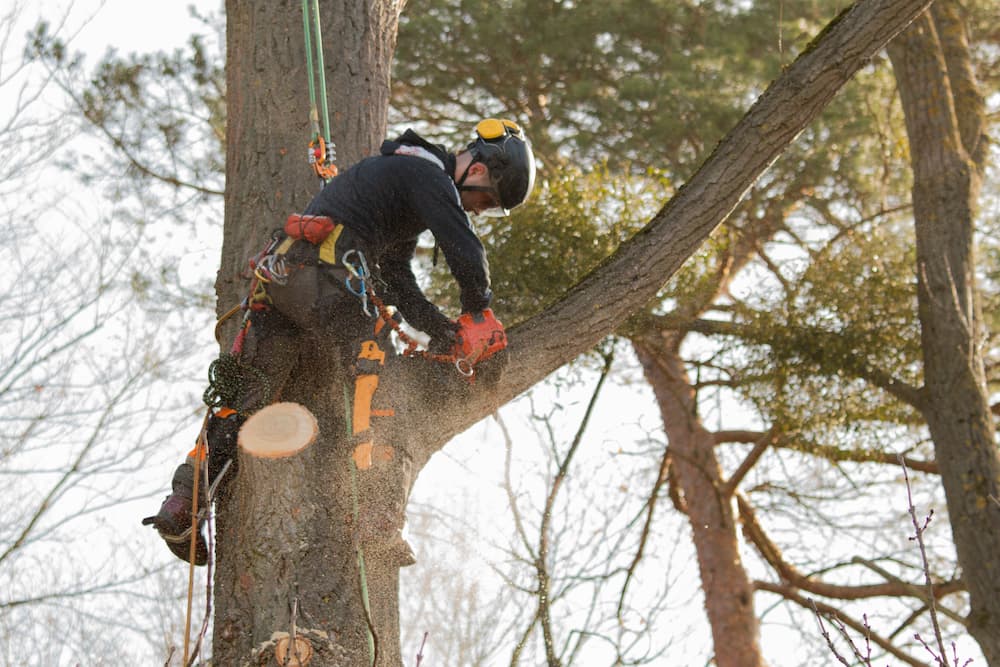
Ongoing maintenance is crucial for ensuring the long-term health and energy of trees in all outdoor settings. Tree specialists provide expert assistance that include routine check-ups, trimming, and pest control, all designed to encourage optimal development and warding off sickness. By monitoring tree conditions and soil health, they can identify potential issues before they become serious, saving homeowners time and money.
Regular trimming assists in preserving the tree's form and remove dead or diseased branches, facilitating improved airflow and sunlight reaching the ground. Specialists further share knowledge on correct irrigation methods and ground cover application strategies that boost the soil's richness. Moreover, they might propose feeding routines designed for individual arboreal varieties, guaranteeing they absorb vital elements.
Popular Questions and Answers
How Do I Choose the Right Arborist for My Needs?
In selecting a qualified tree specialist, it is important to check qualifications, review their expertise, look at testimonials, and ask for estimates. Additionally, discussing specific needs ensures the chosen expert matches up with your specific needs and necessary tree maintenance.
What Certifications Should I Look for in a Tree Specialist?
In choosing a tree care professional, it is wise to find accreditations such as ISA (International Society of Arboriculture certification), TCIA (Tree Care Industry Association accreditation), and state registration, guaranteeing the specialist has the essential training and proficiency.
How Often Should I Hire an Arborist for Arboriculture Services?
You should employ an arborist yearly for routine maintenance, though more frequent visits may be necessary for newly planted trees or trees facing particular health issues, ensuring proper growth and longevity.
Are Tree Specialists Able to Assist With Legal Matters Concerning Trees?
Yes, arborists can assist with tree-related legal issues (Florence Arborist). They offer professional evaluations, necessary paperwork, and court testimony about the condition, risk level, and upkeep of trees, aiding in settling disagreements involving boundary disputes, responsibility, and municipal codes effectively
What Will Occur During the First Meeting With a Certified Tree Specialist?
During this initial assessment, the arborist checks the health of the tree, addresses your issues, provides recommendations, and details necessary work. Clients should look forward to a comprehensive assessment coupled with professional guidance tailored to their specific tree care needs.